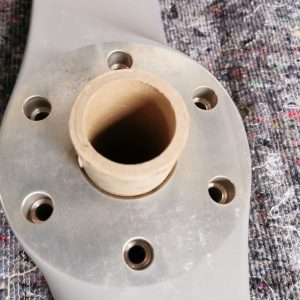
New, Never Installed combines established Sensenich manufacturing, lightweight aluminum construction, fixed-pitch operation, and potential compatibility with selected general aviation aircraft.
Whether buyers search for a Sensenich Propeller P/N 74DM6-0-60, Sensenich 74DM6 Propeller, or 74DM6-0-60 Aircraft Propeller, complete identification should guide the purchase.
The Sensenich Fixed-Pitch Propeller, Sensenich Aluminum Propeller, Fixed-Pitch Aluminum Propeller, and Aluminum Aircraft Propeller keywords describe important design and material characteristics.
A 74-Inch Aircraft Propeller and 60-Inch Pitch Propeller should be confirmed through manufacturer markings, approved data, and suitable measurement rather than model interpretation alone.
A Replacement Aircraft Propeller must match the approved aircraft, engine, hub, bolt pattern, spinner, diameter, pitch, and operating limitations.
Confirming the Exact Aircraft Propeller
The seller should provide clear photographs of the data plate, hub, blade faces, blade backs, leading edges, trailing edges, tips, mounting holes, and identification markings.
Original packaging can support the product history but does not replace inspection of the actual propeller.
New and Never Installed Condition
The phrase new and never installed generally means that the propeller has not been operated in flight or permanently mounted on an aircraft.
Detailed condition evidence supports responsible marketing of the Sensenich Propeller – P/N 74DM6-0-60
Sensenich Fixed-Pitch Propeller Design
A fixed-pitch propeller uses blade geometry manufactured or adjusted for a defined range of engine and aircraft operating conditions.
The pitch configuration affects engine RPM, acceleration, climb characteristics, cruise behavior, and overall loading.
Protecting Aluminum Propeller Surfaces
Even a new and never-installed propeller should be checked for handling marks, coating defects, scratches, dents, and environmental exposure.
Both blade faces, backs, roots, tips, leading edges, trailing edges, and hub transitions should be examined under suitable lighting.
74-Inch Aircraft Propeller Dimensions
Any authorized diameter reduction should appear in the propeller markings and maintenance records.
Professional measurement supports the responsible use of the 74-Inch Aircraft Propeller.
Blade Pitch and Engine Loading
The seller should not guarantee specific performance based only on the pitch designation.
Professional pitch evaluation protects the Sensenich 74DM6-0-60 Propeller.
Lycoming O-320 Propeller Compatibility
The Lycoming O-320 engine family includes different models, power ratings, flange configurations, operating limits, and aircraft applications.
The mounting flange, pilot fit, bolt pattern, spacer arrangement, and spinner components should also match the receiving installation.
Evaluating Both Propeller Blades
Both blades should maintain compatible dimensions, pitch relationship, contour, weight distribution, finish, and structural condition.
The buyer should examine both blades for differences in paint, coating wear, pressure marks, corrosion, shape, tip condition, and packaging contact.
Bolt Pattern and Engine Flange Compatibility
The propeller hub should match the receiving engine flange, pilot diameter, bolt pattern, approved spacer arrangement, spinner components, and required installation hardware.
A propeller-only listing may require additional hardware before installation can begin.
Inspecting Blade Tips and Trailing Edges
Professional evaluation protects the Sensenich Aircraft Propeller from unsuitable installation.
Detailed surface review helps support the claimed new condition.
Maintaining the Factory Finish
Discoloration, white residue, paint bubbling, coating separation, staining, or pitting should be evaluated instead of dismissed automatically as cosmetic.
The propeller should not be stored directly on concrete floors, damp timber, unstable shelving, or unsupported blade tips.
Separating Certification from Current Condition
Documentation should be interpreted according to its specific wording, scope, and serial-number reference.
Organized records strengthen the commercial value of the Certified Aircraft Propeller.
Propeller Traceability and Documentation
Reliable traceability improves professional buyer confidence.
Paperwork should not be interpreted beyond its actual scope or current relevance.
Replacement Propeller Buying Guide
The buyer should obtain enough information for a qualified propeller specialist or aviation mechanic to review the component.
- Confirm P/N 74DM6-0-60, the complete serial number, manufacturer markings, 74-inch diameter, 60-inch pitch, blade count, hub dimensions, bolt pattern, and original configuration.
- Inspect or document the diameter, pitch, blade symmetry, finish condition, corrosion, pitting, scratches, dents, cracks, coating damage, tip shape, mounting holes, and hub surfaces.
- Confirm the sales invoice, payment protection, packaging method, freight insurance, inspection period, return terms, and stated propeller condition.
Shipping the Sensenich Propeller
Blade tips, leading edges, trailing edges, mounting surfaces, here bolt holes, identification plates, and factory coatings require suitable protection.
Loose hardware, records, spinner components, and accessories should be wrapped, labeled, and secured separately.
Protecting the Propeller Before Installation
The propeller should not be placed where tools, vehicles, machinery, or personnel can strike it.
The unit should not be stored directly on damp concrete, exposed ground, unstable shelving, or areas vulnerable to roof leaks.
Completing the Propeller and Spinner Assembly
Incorrect bolts, unsuitable washers, damaged threads, or improvised spacers should not be used.
Spinner components should maintain suitable alignment, attachment, and clearance without causing stress or imbalance.
Initial ground operation should monitor vibration, RPM, unusual noise, mounting security, spinner behavior, and other abnormal indications.
Maintaining the Leading Edges and Finish
Cleaning should use suitable materials and methods that do not attack aluminum, coatings, markings, or data plates.
The propeller should receive additional inspection after a suspected strike, sudden engine stoppage, overspeed, severe vibration, loose installation, lightning-related concern, or transportation impact.
Replacement Propeller Ownership Costs
Original packaging can improve presentation and provenance but does not replace physical examination.
Buyers should compare complete and documented propeller packages rather than price alone.
Selecting a General Aviation Replacement Propeller
New, Never Installed offers stronger commercial value when its serial number, manufacturing information, diameter, pitch, storage conditions, documentation, and included hardware are described accurately.
The strongest purchasing decision begins with confirming the full model designation, serial number, manufacturing details, 74-inch diameter, 60-inch pitch, blade count, hub, bolt pattern, aircraft applicability, engine compatibility, storage history, physical condition, and documentation.
Whether the product is described as a 74-Inch Aircraft Propeller, 60-Inch Pitch Propeller, Lycoming O-320 Propeller, or General Aviation Propeller, aircraft-specific applicability remains essential.
With responsible purchasing, dimensional verification, corrosion and damage inspection, correct hardware, tracking, and balance evaluation, the component can remain a valuable aviation asset.